New York Quadricentennial Committee We End at the Beginning, and it began 400 years ago, today.
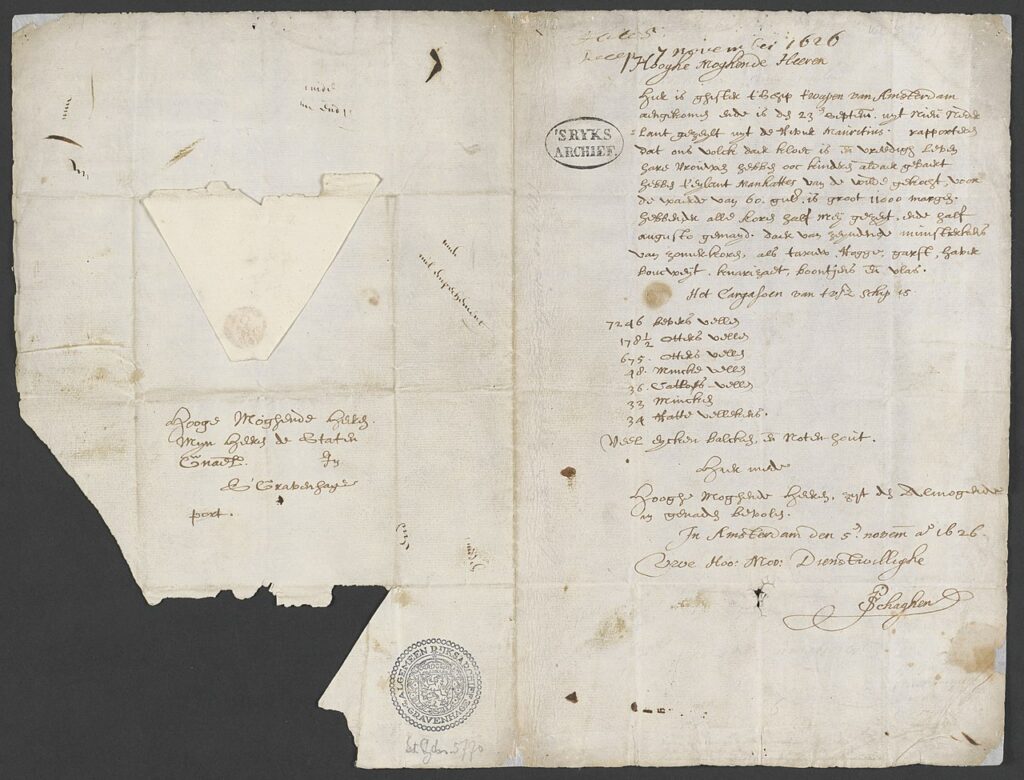
Over the past three years, the New York Quadricentennial Committee has hosted a series of commemorations on the founding of New York City. With this post we end the three-year observance and enter into a new Campaign of Learning. For this dissertation, we cover the land use agreement for Manahatta, today’s Manhattan.
The 400th Anniversary Commemorating the
Founding and the Unity of the City of New York
New York City was established by the Dutch, as New Amsterdam, starting in 1624 and ending in 1626. It was in 1664, when it became New York, after the British took control of New Netherland, and renamed it after James, the Duke of York, who later became King James II of England.
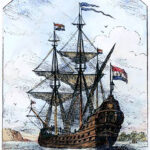
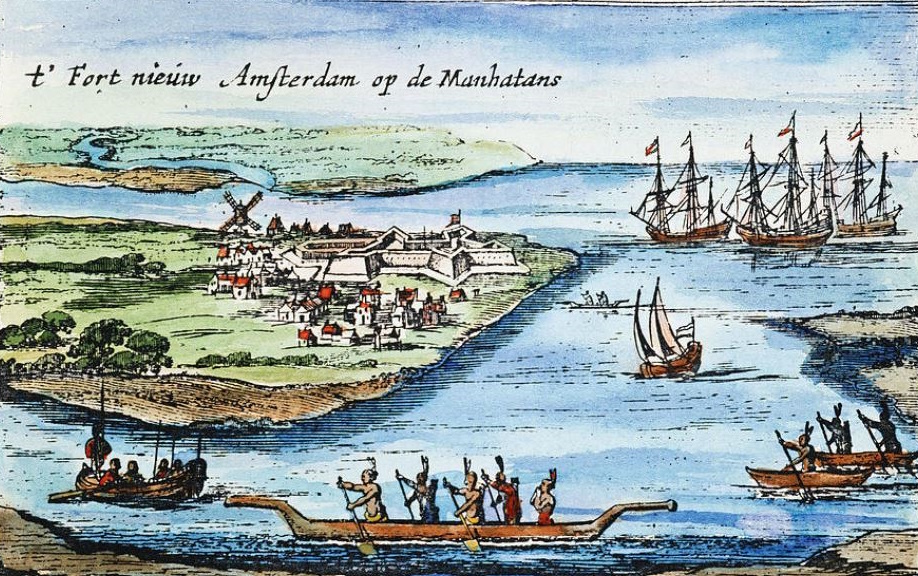
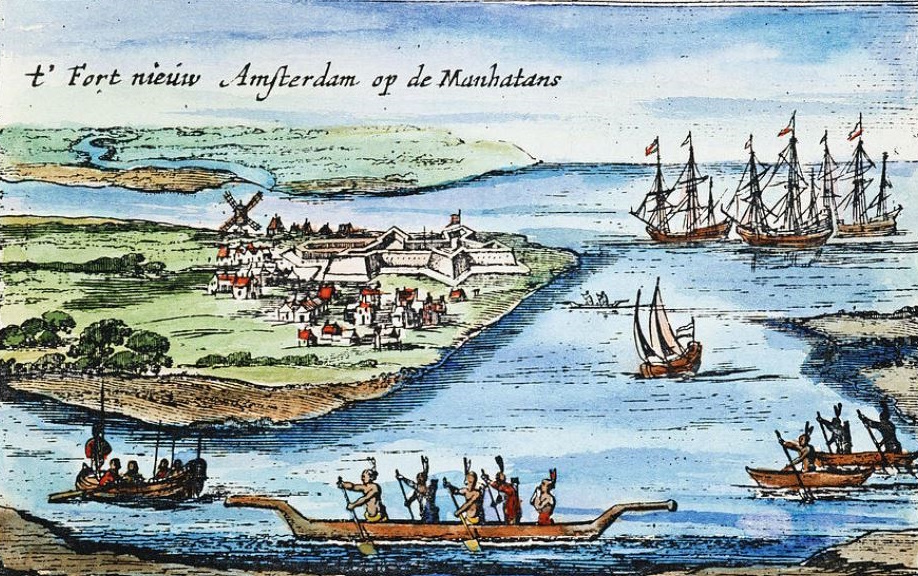
New York City though, was not established in a year. It has been our assertion that the it took place over three years. The first year was 1624, when the Dutch West India Company brought 30 predominantly French Huguenot families on the ship New Netherland to establish one of the earliest Dutch settlements in America on Nutten (now Governors) Island. Amsterdam began a short distance from Nutten Island on Manahatta (now Manhattan Island) where the current Customs House on Bowling Green is now situated. The third year was 1626, with Peter Minuit negotiating with the Lenape for the right to use Manhattan Island, which led to permanent settlement.
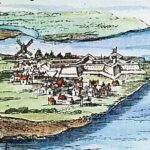
In 1624, the Dutch West India Company brought 30 predominantly French Huguenot families on the ship New Netherland to establish one of the earlist Dutch settlements in America on Nutten (now Governors) Island. The following year, in 1625, Fort Amsterdam was constructed a short distance across the water on Mannahatta (now Manhattan Island) where the current Customs House on Bowling Green is now situated. In 1626, Peter Minuit negotiated with the Indigenous Lenape People for the right to use Manhattan Island, which led to a permanent settlement there.
Timeline
1609
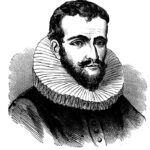
The Captain of the Halve Maen explored and laid the groundwork for Dutch colonization of the area from Manhattan to Albany
Nationality: English
Sailed for: the Netherlands
1613
After the Dutch ship, Tyger, burned in 1613, Adriaen Block, his crew, and the Lenape People helped build the Onrust. It was the first ship and trading vessel constructed in New York State
Nationality: Dutch
Sailed for: the Netherlands
1613
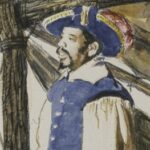
The first mixed race man and non-indigenous inhabitant who arrived on the ship, Tyger, and stayed behind. He worked for the first Dutch fur trading post in Lower Manhattan
Nationality: Portuguese & West African, born in Santo Domingo
1624
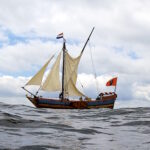
May captained the ship, Nieu Nederlandt, bringing Flemish Wallon families to Nutten (Governor's) Island making it the first Dutch colony in America
Nationality: Dutch
Sailed for: the Netherlands
1625
Fredericksz was the chief engineer of the New Netherland colony. He was the designer and builder of Fort Amsterdam, located at the tip of Manhattan
Nationality: Dutch
Worked for: the Netherlands
1626
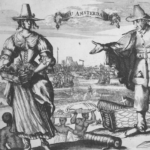
In 1626, the Dutch West India Company purchased a group of African people from Portuguese pirates. These men and women were the first enslaved Africans in New Netherland.
1626
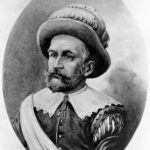
As the third Director General, he negotiated with the Indigenous Lenape People, to acquire the rights to settle on Manhattan Island
Nationality: French Huguenot-Wesel, Germany
Worked for: the Netherlands
Events
Save the Dates!
If you would like to volunteer to help with our events please fill out this form.